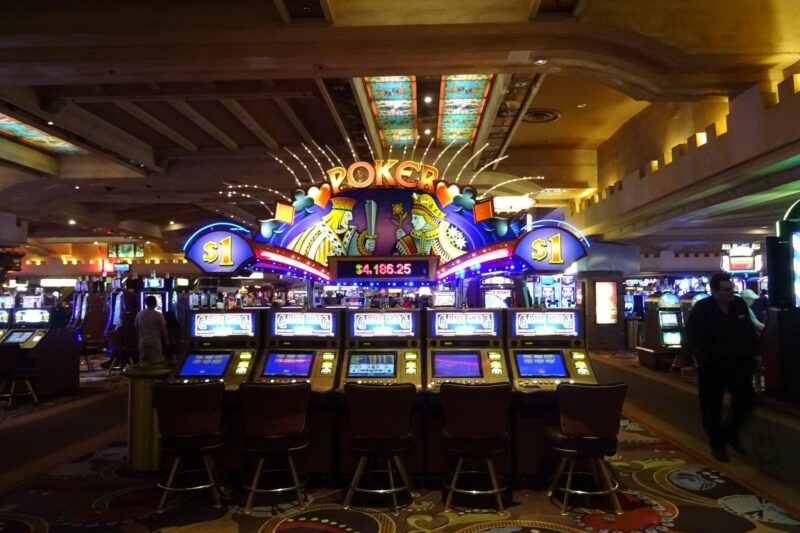
Las Vegas has long been recognized as the world’s gambling capital. What began as a collection of modest gambling halls in the Nevada desert has transformed into a global entertainment destination featuring luxury resorts, world-class restaurants, live performances, and cutting-edge gaming technology. As consumer preferences continue to evolve, so does the casino industry, blending traditional gaming with digital innovation to reach new audiences around the world.
According to Encyclopedia Britannica, Las Vegas experienced rapid growth after the legalization of gambling in Nevada in 1931, eventually becoming one of the world’s most iconic tourism and entertainment destinations. Over the decades, the city has continuously reinvented itself to remain at the forefront of the gaming industry.
The Early Days of Las Vegas Casinos
In the early twentieth century, Las Vegas was a small railroad town with limited attractions. The legalization of casino gambling changed the city’s future almost overnight. Early casinos were relatively simple establishments focused primarily on card games, roulette, craps, and slot machines.
Visitors traveled to Las Vegas specifically for gambling, and the experience centered almost entirely around the casino floor. Hotels were modest compared to today’s standards, and entertainment options were far more limited.
The Rise of the Mega-Resort
Beginning in the late twentieth century, Las Vegas underwent a dramatic transformation. Casino operators realized that offering more than gambling could attract a broader audience.
Large integrated resorts began to appear along the Las Vegas Strip, combining casinos with luxury accommodations, fine dining, shopping centers, convention facilities, spas, and live entertainment.
Properties such as themed resorts helped redefine Las Vegas as a destination suitable for families, business travelers, and international tourists in addition to gaming enthusiasts.
Technology Changes the Casino Experience
Technology has significantly reshaped casino operations over the past two decades.
Modern casinos now utilize:
Digital loyalty programs
Cashless payment systems
Advanced security technologies
Automated table management
Mobile applications for guests
AI-driven customer analytics
These innovations improve operational efficiency while creating a more personalized experience for visitors.
Players can now reserve hotel rooms, join rewards programs, manage reservations, and access promotions directly from their smartphones.
Live Entertainment Becomes a Major Attraction
Today, casinos are no longer defined solely by gaming.
Major concerts, sporting events, comedy performances, and celebrity chef restaurants generate enormous visitor traffic throughout the year. For many travelers, gambling represents only one part of the overall Las Vegas experience.
This diversification has helped casinos remain competitive even as gaming options have expanded globally.
The Growth of Digital Gaming
One of the biggest developments in recent years has been the rise of online gaming.
While Las Vegas remains synonymous with physical casinos, digital platforms have introduced casino games to millions of players who may never visit Nevada.
Online casinos now offer:
Live dealer games
Video slots
Blackjack
Roulette
Baccarat
Mobile gaming applications
High-speed internet and improved streaming technology have made live dealer experiences increasingly realistic, narrowing the gap between online and land-based gaming.
Mobile Gaming Continues to Expand
Smartphones have transformed how people access entertainment, and casino gaming is no exception.
Many gaming operators now prioritize mobile-first platforms, allowing users to enjoy games from virtually anywhere where online gaming is legally permitted.
Responsive interfaces, secure payment methods, and cloud-based technology have made mobile gaming one of the fastest-growing sectors in the gambling industry.
Responsible Gaming Remains Essential
As gaming becomes more accessible, responsible gambling initiatives have become increasingly important.
Leading operators invest heavily in player protection by offering:
Deposit limits
Time reminders
Self-exclusion programs
Age verification
Educational resources
Regulators across multiple jurisdictions also require licensed operators to maintain strict standards regarding fairness, transparency, and consumer protection.
Traditional Casinos and Online Platforms Can Coexist
Rather than replacing land-based casinos, digital gaming has expanded the industry’s reach.
Many established casino brands now operate both physical resorts and online gaming platforms, allowing customers to enjoy different experiences depending on their preferences.
Similarly, players researching digital entertainment may come across platforms such as Lukki casino while comparing online gaming services. As with any online platform, users should review licensing information, security measures, payment options, and terms and conditions before creating an account or making a financial transaction.
Looking Toward the Future
The future of Las Vegas casinos will likely combine physical entertainment with advanced digital technology. Artificial intelligence, virtual reality, personalized customer experiences, and cashless gaming are expected to become even more common over the coming years.
Despite these technological advances, the core appeal of Las Vegas remains unchanged: offering visitors memorable entertainment experiences. By embracing innovation while preserving the excitement of traditional casino gaming, Las Vegas continues to set the standard for the global gaming industry and is well-positioned to remain one of the world’s premier entertainment destinations for years to come.
About Author