Computer games have evolved far beyond simple entertainment, becoming one of the most influential forces in the digital media landscape. From the earliest 8-bit consoles to today’s photorealistic virtual worlds, gaming has consistently pushed the boundaries of technology, art, and storytelling. Today, games intersect with streaming platforms, social media, film, music, and esports, affecting trends, user engagement, and content creation across multiple industries. The rise of esports, interactive narratives, and immersive experiences demonstrates that gaming is no longer merely a hobby—it has become a central driver of digital culture, innovation, and economic activity. Modern gamers are not only consumers but also creators, influencers, and trendsetters, shaping the ways in which content is produced, distributed, and monetized. In fact, the gaming industry’s global revenue exceeded $250 billion in 2024, surpassing film and music combined, which highlights how pivotal games are in driving both entertainment and digital media evolution.
The Expansion of Interactive Entertainment
Interactive entertainment has transformed games into social platforms, where players engage with one another and with the game environment in ways that traditional media cannot replicate. Games such as “Counter-Strike 2,” “Valorant,” and “Fortnite” offer complex ecosystems where collaboration, competition, and creativity intersect. Players can form teams, compete in ranked matches, and even organize community-driven tournaments. The social aspect of games extends beyond the in-game experience: platforms like Discord, Twitch, and YouTube facilitate continuous engagement, allowing players to share strategies, highlight reels, and gameplay experiences. This constant interaction cultivates global communities, turning gaming into a shared cultural phenomenon.
Streaming has further amplified the social dimension of gaming. Live broadcasts allow audiences to observe, interact, and learn from professional players and content creators, creating a dynamic feedback loop between viewers and streamers. Many streamers have become influential figures in popular culture, bridging the gap between gaming, entertainment, and social media. The rise of user-generated content, from highlight clips to full-length tutorials, demonstrates that players are active contributors to the digital media ecosystem. Moreover, in-game social mechanics such as clans, guilds, and community events cultivate loyalty and long-term engagement, which in turn influences broader media consumption patterns. The integration of these mechanics into digital media platforms has inspired interactive features in other industries, including live broadcasts, virtual concerts, and social apps, showing how gaming drives innovation far beyond its traditional boundaries.
How Gaming Influences Digital Media Trends
The influence of gaming on digital media trends is extensive, affecting everything from visual aesthetics and storytelling to marketing strategies and audience engagement models. High-quality graphics, real-time rendering, and procedural content generation, initially developed for games, now inform practices in film, advertising, virtual events, and online platforms. Game engines such as Unreal Engine and Unity are widely adopted in media production, enabling the creation of interactive experiences that blur the lines between games and traditional media. This technical cross-pollination demonstrates that innovations born in the gaming industry often become standard tools for broader digital media production.
Gamers’ behavior provides valuable data that shapes the strategies of digital media companies. Platforms analyze play patterns, engagement metrics, and social interactions to optimize content recommendations and marketing campaigns. For example, esports tournaments employ advanced analytics to predict player performance and viewer preferences, which informs real-time broadcasting strategies and advertising placements. Additionally, resources like cs2 betting tips help players understand game dynamics, highlighting how gaming knowledge intersects with media consumption and engagement. These analytics-driven insights have ripple effects across social media, streaming, and content creation, enabling personalized experiences that keep audiences deeply engaged. Gaming has essentially become a laboratory for testing and implementing new forms of interactive media, reinforcing its role as a driver of innovation in digital communication and entertainment.
Esports as a Catalyst for Media Innovation
Esports has transformed competitive gaming into a mainstream entertainment powerhouse. Major events, such as the League of Legends World Championship, The International Dota 2 tournament, and CS2 Majors, attract millions of viewers globally, with live streaming platforms often surpassing traditional television in audience engagement. Esports has introduced innovative broadcasting techniques, including multi-angle camera setups, real-time statistical overlays, player POV streams, and interactive chat features, setting new standards for digital content consumption.
Brands and media companies have recognized the commercial potential of esports, investing heavily in sponsorships, in-game advertising, and branded content. For example, Coca-Cola, Nike, and Intel have partnered with esports leagues, integrating marketing seamlessly into the gaming experience without disrupting immersion. This symbiotic relationship between games and brands exemplifies how interactive entertainment drives innovation in media monetization. Beyond commercial aspects, esports fosters community participation: fans create highlight reels, memes, and discussion forums, further amplifying engagement and expanding the media footprint of competitive gaming. Esports has also influenced non-gaming sectors; live events, streaming interactivity, and analytics-driven content are now adopted in sports broadcasting, music performances, and virtual conferences. The ecosystem created by esports proves that competitive gaming serves not only as entertainment but also as a blueprint for next-generation digital media innovation.
Virtual Worlds and Immersive Experiences
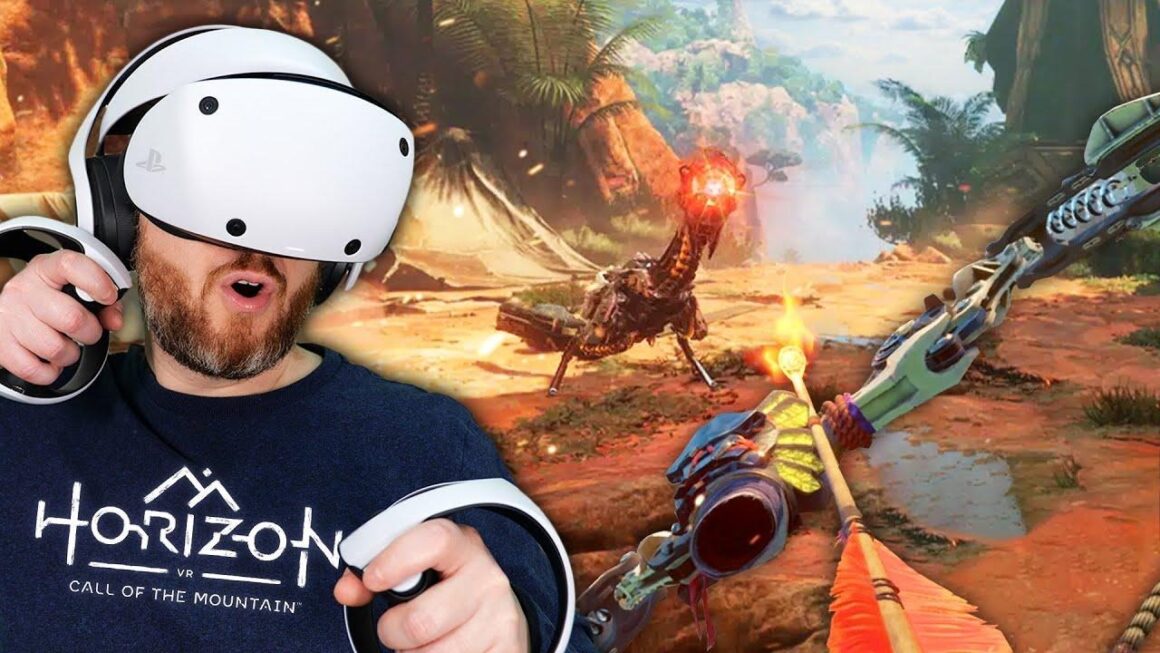
Virtual worlds, powered by VR, AR, and AI, exemplify the transformative potential of gaming in shaping digital media experiences. Games like “Minecraft,” “Roblox,” and “Horizon Worlds” provide open environments where users create, interact, and socialize, effectively functioning as alternate digital realities. These worlds host virtual concerts, educational programs, social meetups, and cinematic events, blurring the boundaries between gaming, media, and real-world interaction. Immersive experiences attract massive audiences; for instance, virtual concerts in games have drawn hundreds of thousands of live viewers, rivaling physical events in both scale and engagement.
Technological advances in AI and procedural generation allow developers to craft dynamic narratives and responsive environments, creating content that adapts to player choices and social interactions. This personalization enhances user engagement, making experiences more compelling and socially relevant. Advertising, education, and entertainment industries are rapidly adopting these immersive techniques to create interactive experiences that captivate audiences in ways traditional media cannot. Gaming essentially acts as a testbed for these innovations, demonstrating how interactive storytelling, virtual event production, and real-time engagement can be scaled and monetized. The convergence of gaming technology with other forms of media highlights the role of computer games as a driving force behind immersive, interactive digital experiences that define the future of entertainment.
Conclusion
Computer games have evolved into a driving force in the digital media ecosystem, influencing content creation, technological innovation, and audience engagement across multiple industries. From interactive streaming platforms and esports tournaments to virtual worlds and AI-driven narratives, gaming shapes the standards for engagement, interactivity, and personalization in digital media. The industry’s impact extends beyond entertainment, affecting marketing strategies, social media trends, and immersive experience design. Understanding this ecosystem is essential for creators, brands, and audiences seeking to navigate the fast-changing digital landscape. As gaming continues to push the boundaries of technology, storytelling, and social interaction, it becomes clear that computer games are not merely a pastime—they are a foundational pillar driving the evolution and future of digital media. The convergence of technology, creativity, and community in gaming represents one of the most significant cultural and economic forces of the 21st century.
About Author