
If you’ve ever watched a horse thunder down the stretch at a major track, the spectacle is undeniably thrilling. But that moment of glory represents years of investment, careful planning, and substantial financial commitment. For prospective owners considering entry into this world, understanding the real economics of horse racing is essential for smart business.
This article breaks down what you need to know before making this significant investment.
The Purchase Price
When people ask about owning a racehorse, the first question is always about acquisition cost. The answer? It varies wildly. A young racehorse from an auction might run you anywhere from USD$10,000 to USD$500,000 or more, depending on bloodline, pedigree, and sales venue.
Thoroughbred racing horses from reputable breeders command premium prices, while racing horses at the claiming level may cost considerably less. But the purchase price is only the tip of the iceberg. Think of it as your down payment on a much larger financial commitment that extends across the animal’s career.
Training, Board, and Daily Care
Once you own a horse, the expenses truly pile up. Training fees are among the most substantial, typically ranging from USD$1,500 to USD$5,000 per month, depending on your trainer’s reputation and the level of competition your horse will face. That covers the trainer’s expertise, instruction, and daily work with your horse.
Board costs another USD$500 to USD$2,000 monthly, depending on the facility’s quality and location. Premier training centers often charge at the higher end of these ranges, while smaller operations may be more economical.
Beyond these baseline costs, you’re looking at veterinary care, feed, farrier services, and equipment, which is another USD$300 to USD$800 per month.
The math quickly becomes daunting. A horse at a mid-tier training facility could easily cost USD$3,000 to USD$4,000 monthly just to maintain, without ever stepping onto a track. That’s USD$36,000 to USD$48,000 annually before your horse runs a single race or earns any purse money. Many owners find this reality humbling when they sit down and calculate it.
Race Day Expenses and Entry Fees
When race day finally arrives, there are still more expenses waiting. Entry fees, jockey fees, and travel costs all add up. Stakes races are prestigious but come with higher entry fees, sometimes reaching USD$10,000 or more, depending on the stakes level.
Claiming races typically have lower entry fees but less prize money in return. You’ll also need to pay your jockey a percentage of any purse your horse wins, usually around 10 percent. If your horse races at multiple venues throughout the year, transportation costs become another line item.
These race-specific expenses typically run USD$500 to USD$3,000 per race appearance, again depending on the level of competition.
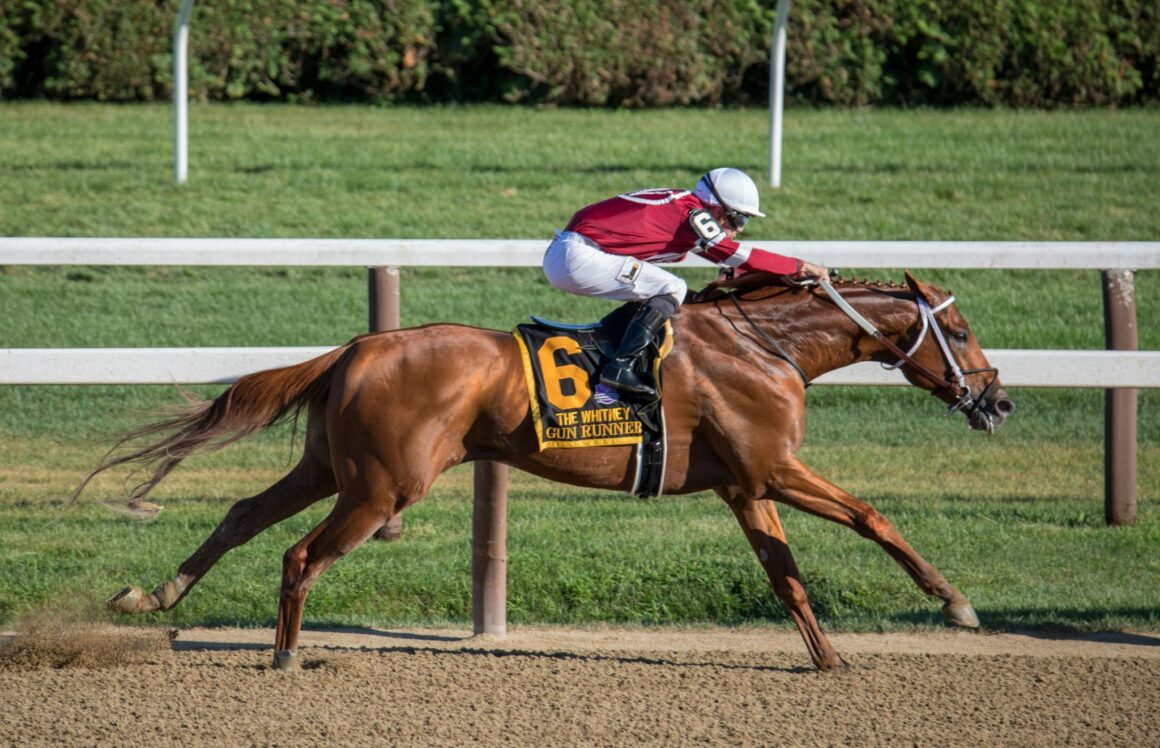
Veterinary Care
One expense that catches many new owners off guard is veterinary care. Racehorses live hard lives. They push their bodies to extremes, and when something goes wrong, the bills can be astronomical. A routine lameness evaluation might cost USD$500 to USD$1,000. Surgery can easily exceed USD$10,000 to USD$50,000.
Some veterinary specialists perform advanced diagnostics like imaging or surgical interventions that cost even more. Having a contingency fund for unexpected medical issues is necessary. Many successful owners set aside a dedicated medical fund of several thousand dollars annually.
Insurance and Registry Costs
Protecting your investment through insurance is wise, though not mandatory. Mortality insurance, in-foal insurance, and veterinary expense coverage can cost anywhere from 5 to 10 percent of your horse’s value annually.
Then there’s Thoroughbred registry membership and related fees required by the Jockey Club and state gaming commissions. These fees are typically modest compared to other costs, but they need to be factored in.
Depending on your location and the specific races your horse enters, you may also encounter state-level fees and licensing requirements.
The Reality of Purse Money
Most horses don’t win enough purse money to cover their costs. Even horses that place regularly may struggle to break even. A horse winning modest claiming races might earn USD$5,000 to USD$15,000 per victory. Those earnings feel significant until you do the math against annual expenses.
A USD$30,000 purse winner in a year has generated far less than the minimum USD$36,000 to USD$48,000 you’ve already spent on care and training. Success in horse racing rarely means financial profit on the spreadsheet.
Instead, most owners view their investment as a lifestyle choice and a passion, not a wealth-building vehicle. The rare owners who achieve profitability usually have horses capable of winning bigger stakes races or managing their operations with exceptional efficiency.
Planning Your Overall Budget
Let’s put together a realistic annual budget for a single horse at a mid-level training operation.
Training fees (USD$2,000/month) plus board (USD$1,000/month) plus care and maintenance (USD$500/month) totals USD$42,000 annually.
Add four races per year at roughly USD$1,500 each, and that’s another USD$6,000.
Factor in insurance, registration fees, and a contingency for medical issues, and you’re comfortably looking at USD$50,000 to USD$60,000 per horse annually for maintenance alone.
For horses at premium training facilities or those requiring more specialized care, these numbers jump to $75,000 to $100,000 or beyond.
When you consider this alongside the initial USD$100,000 to USD$300,000 purchase price, the total investment over a horse’s four to eight-year racing career could easily exceed USD$400,000 to USD$800,000 or more.
Why People Still Do It
Despite these sobering numbers, thousands of people own and race horses. Why? The experience itself holds value that doesn’t fit neatly onto a financial statement. There’s the thrill of watching your horse compete, the strategic puzzle of breeding and training decisions, the camaraderie within the racing community, and the simple pleasure of working with these magnificent animals.
For many owners, the emotional and experiential rewards justify the financial commitment. It’s a pursuit for those who love horses and the sport more than they love maximizing returns on investment.
About Author