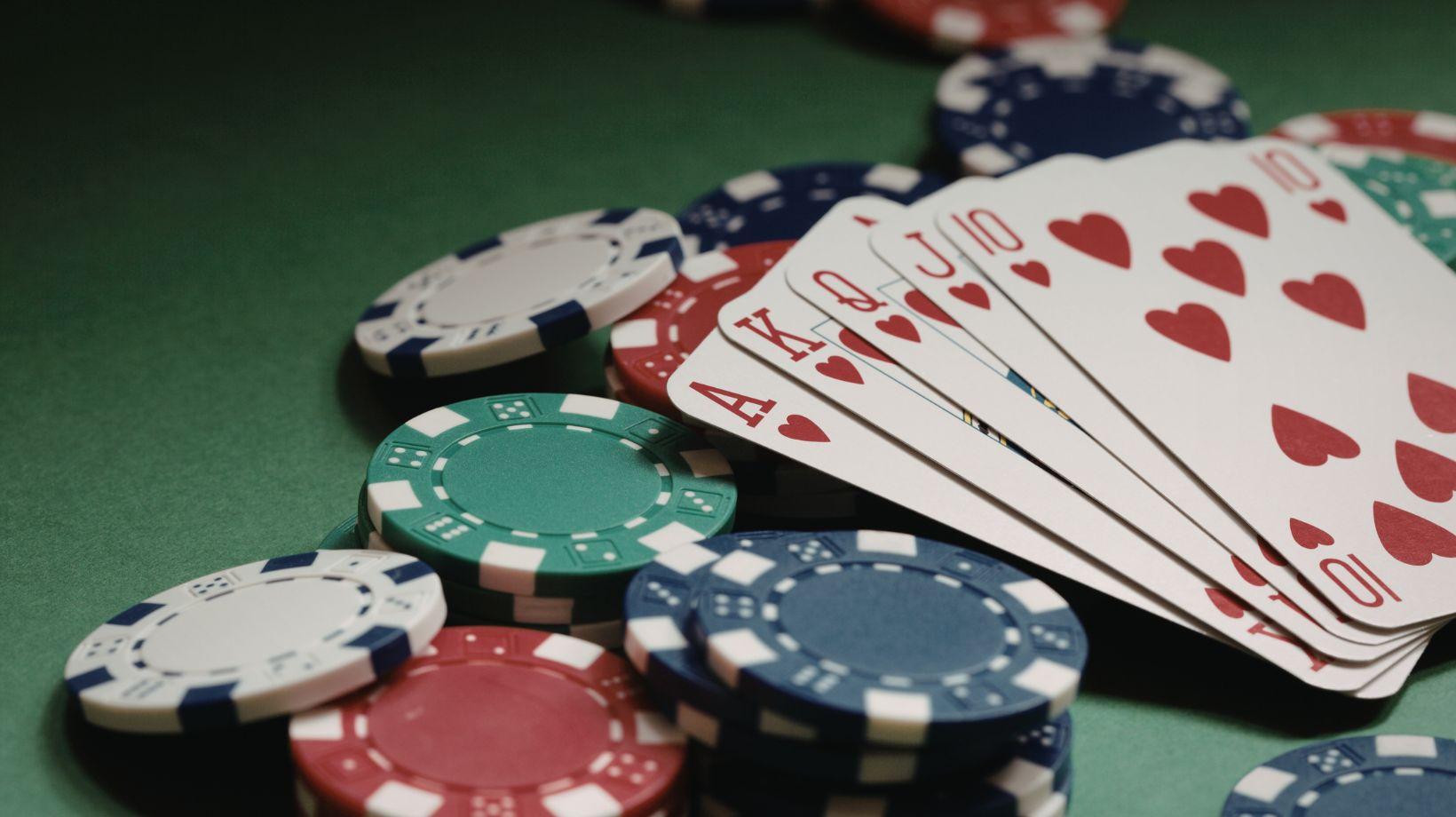
Poker looks simple from the rail. Two cards, a shared board, and a handful of betting rounds. Sit down at a real table, though, and that simplicity evaporates fast. The gap between knowing the rules and actually playing well is where most players get stuck, and it’s a gap that never fully closes.
That difficulty isn’t accidental. Poker layers multiple skill sets on top of each other, and each one changes depending on the situation at hand. Understanding why the game resists easy mastery says a lot about what separates recreational players from serious competitors.
Why Poker Rewards Patience Over Instinct
New players often assume good poker means playing every strong-looking hand aggressively. That instinct gets punished quickly. Strong players fold far more often than they raise, waiting for spots where the math and the situation both favor them.
Patience isn’t passive, though. It requires constant reassessment of what a hand is worth given the action around it. A pair of kings might be a clear raise in one spot and a fold in another, depending entirely on context that instinct alone can’t process.
The Hidden Math Behind Every Decision
Underneath every poker decision sits a web of calculations most players never fully see. Hand strength alone means little without factoring in position, stack depth, opponent tendencies, and how wide or narrow a range someone is playing. Serious players think in ranges, not single hands, weighing probabilities rather than gut feelings.
Position adds another layer of complexity. Acting later in a hand means more information is available, which directly affects how wide a range of hands can be played profitably with the same starting cards. Platforms like GTO Strategy — with hand range visualisers and solver-based decision trees — help players translate these mathematical principles into repeatable patterns rather than one-off reads. That kind of framework matters because poker rewards consistency far more than isolated moments of brilliance.
Bet sizing compounds the difficulty further. A bet isn’t just large or small; it’s a signal that shifts based on stack-to-pot ratios and prior betting patterns. Missing any one of these variables can turn a mathematically sound hand into a costly mistake.
How Players Study and Sharpen Their Edge
The jump from casual to serious play usually happens once someone starts asking why a decision worked, not just whether it did. Beginners tend to focus on results. Stronger players focus on process, reviewing hands to check whether a call or fold was correct given the information available at the time.
Online play accelerates this learning curve considerably. Faster hand volume means more repetitions, but it also means fundamental errors get punished sooner. According to strategy resources built around data-driven approaches, high-volume online formats push players toward statistical thinking rather than emotional reactions, since there’s simply less time to rely on feel alone. Live play, by contrast, adds a physical layer entirely absent from screens. Tempo, posture, and table image all become data points that experienced players learn to read alongside the cards themselves.
Turning Table Experience Into Real Skill
Large-scale live tournaments illustrate just how much variation exists within a single skill category called “poker player.” Last year’s WSOP Main Event drew nearly 9,735 entrants, a field the WSOP itself described as the third-largest in the event’s history, according to details from the 2025 Main Event coverage. Fields that size include everyone from first-time entrants to seasoned professionals, all making decisions under the same rules but with wildly different levels of understanding.
Zoom out to the series level and the scale becomes even clearer. Total entries across the 2025 WSOP reached 246,960, generating over $481 million in prize money, based on figures from the record-setting 2025 series. Numbers like these reflect a game where experience compounds slowly, hand by hand, decision by decision. Mastery in poker isn’t a single skill to unlock; it’s dozens of smaller skills that only click into place after enough real hands have tested them under pressure.
About Author