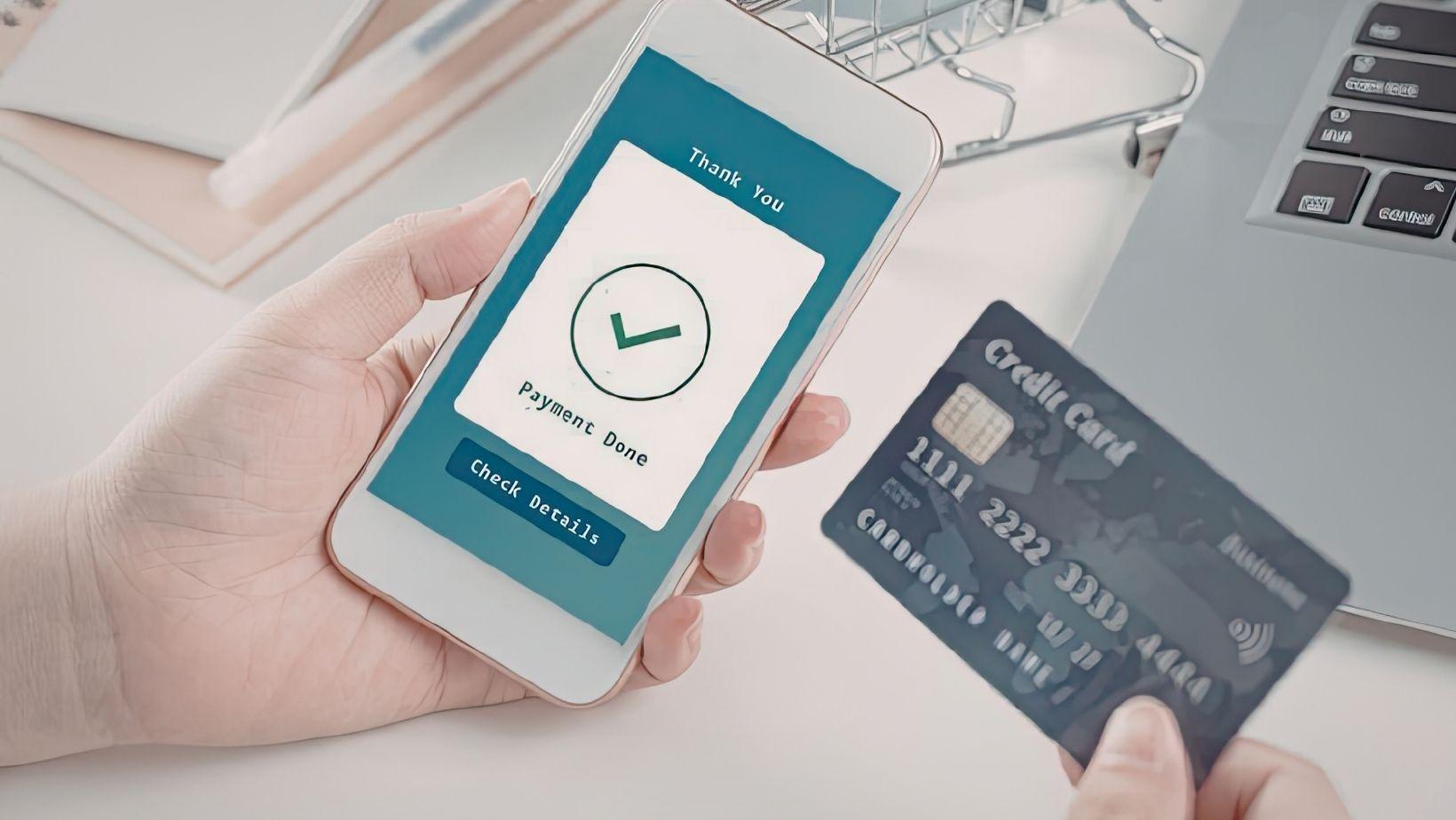
Digital payment methods have transformed everyday life for millions of people. Online shopping, subscriptions, in game purchases, and last minute bookings can now be completed in just a few seconds. At the same time, many users are looking for greater control over spending, stronger privacy protection, and a clearer separation between their bank account and online transactions. This is exactly where prepaid payment methods are gaining momentum.
Instead of sharing sensitive banking details or relying on credit limits, many consumers prefer prepaid balance systems. A fixed amount is loaded in advance and then used over time. This model is simple to understand, transparent, and particularly appealing for digital services. As more transactions move online, prepaid solutions are becoming increasingly relevant.
More Control Over Digital Spending
Many people want to manage their money more carefully today. Subscriptions, impulse purchases, and small one time payments often add up faster than expected. Prepaid methods offer a clear advantage here. Users can only spend the amount that has been loaded beforehand.
This creates better oversight and is especially useful for people who want to stick to a defined budget. Parents also often choose these options when younger users begin exploring digital purchases. Instead of giving access to a bank account or credit card, they can provide a limited balance.
There is also a psychological benefit. When people know exactly how much is available, they often make more deliberate purchasing decisions. In fast moving digital environments, where transactions happen instantly, that extra awareness can be valuable.
Privacy Remains a Key Concern
Beyond spending control, privacy continues to play an important role. Many consumers do not want to store sensitive payment details across multiple websites. While reputable platforms use modern security standards, the desire to share less personal data remains strong.
Prepaid solutions help reduce that concern. Instead of entering bank details or credit card numbers, users simply use an existing balance. This means fewer financial details are shared online. For privacy conscious users, that is a practical advantage.
This is especially relevant when trying new services or platforms for the first time, where users may prefer payment methods with less direct connection to their personal accounts.
Use Cases Extend Far Beyond Gaming
For many years, prepaid payments were mainly associated with mobile phone top ups or gaming. Today, their use has expanded significantly. Digital gift cards, streaming services, mobile apps, educational platforms, and a wide range of entertainment services now use similar models.
Demand also remains strong within gaming. Players often prefer to purchase expansions, cosmetic items, or memberships with a fixed budget. This creates transparency and helps avoid unplanned spending.
Digital payments are also evolving in other entertainment sectors. A commonly cited example is the gambling industry, where users increasingly look for simple and controlled deposit methods. Budget friendly options remain especially popular, which is why Paysafecard online casinos have become attractive to many users. Key benefits include fast deposits, clear spending limits, and the fact that no traditional bank details need to be shared directly with the operator. In sports betting and similar markets, many users also appreciate the ability to use pre set amounts more consciously. This once again highlights why prepaid models are growing in importance across multiple digital sectors.
Why Prepaid Models Can Build Trust
Trust is essential in digital commerce. Users want to understand how payments work, what data is stored, and whether processes are transparent. Prepaid methods often feel more accessible because they are straightforward and easy to use.
The process is usually simple. Purchase credit, redeem it, and spend the balance. Without complicated contracts or long term commitments, users often feel a stronger sense of control. For many people, this is a major reason to prefer prepaid payment methods.
Of course, no payment option replaces the need to evaluate the provider itself. Users should always check licensing information, privacy policies, company details, and clear terms and conditions. However, a familiar and easy payment method can lower the barrier to entry.
Especially Relevant for Mobile Users
A large share of digital purchases now happens on mobile devices. Smartphones have become constant companions and are used for much more than communication. Whether unlocking content on the go, topping up balances, or making quick purchases, users expect fast and simple processes.
Prepaid models fit this behavior well. They are easy to use and often integrate smoothly into existing checkout systems. Users do not need to enter long payment details and can still keep track of their available funds.
For mobile applications, where speed and convenience are key, that simplicity is a major advantage.
What Users Should Keep in Mind
As practical as prepaid methods are, responsible use remains important. There are several factors users should consider.
- First, it is worth checking for potential fees. Not every model is free of charge, especially after long inactivity periods or during certain conversions.
- Second, balances should only be purchased through trusted retailers or official partners. This helps avoid invalid codes or fraud attempts.
- Third, it makes sense to load realistic amounts based on actual needs. This helps preserve the budgeting advantage.
- Fourth, this is especially relevant in entertainment sectors involving real money. Users should set limits and participate responsibly so that digital entertainment remains enjoyable rather than financially stressful.
Why the Trend Is Likely to Continue
The payments industry has been moving toward flexibility, security, and user friendly solutions for years. Consumers expect payment methods that are fast, practical, and adaptable to different lifestyles. Prepaid models meet many of these expectations.
Awareness of privacy and budgeting is also increasing. Younger audiences in particular compare options more carefully, watch for hidden costs, and often prefer transparent systems. This suggests that prepaid payment methods will continue to play an important role in the future.
At the same time, the growing number of digital platforms increases demand for universal and controllable payment options.
Prepaid Payments Are Here to Stay in Modern Digital Services
Prepaid payments have become far more than a niche solution. They combine spending control, privacy, and ease of use in a format that suits many areas of digital life. From gaming and streaming to selected entertainment platforms, users benefit from clear budgets and convenient transactions.
Anyone looking to pay online more consciously can find a practical alternative in prepaid solutions. With responsible use, trusted providers, and realistic budgeting, prepaid methods are well positioned to remain an important part of the digital economy for years to come.
About Author