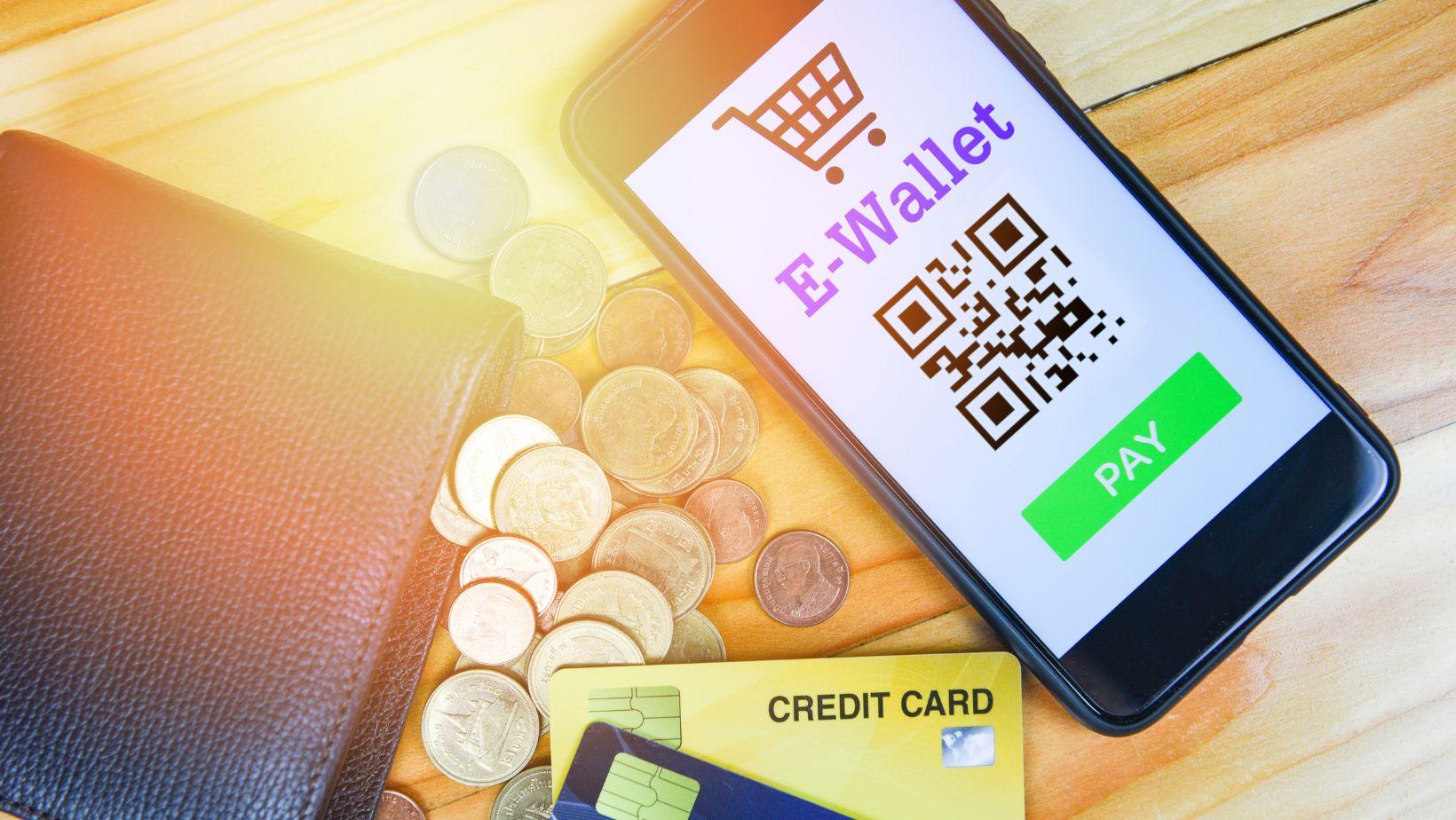
E-wallet payments have become one of the easiest ways to fund an online casino account. They’re fast, familiar, and usually much less clunky than typing out card details every time you want to deposit. For players in Singapore, that convenience is a big part of the appeal.
That said, convenience is not the same thing as safety. If you’re comparing an e-wallet casino, the real question is not just which site supports your preferred wallet, but which one handles payments, verification, withdrawals, and customer support in a way that feels transparent from the start.
A slick cashier and a long list of wallet logos can make almost any site look polished. The sites worth trusting are the ones that make it easy to check who they are, how they process payments, what they require before a withdrawal, and what happens if something goes wrong. In Singapore, where gambling is tightly regulated, that kind of due diligence matters even more. The Gambling Regulatory Authority regulates the gambling industry in Singapore, while Singapore Pools currently holds a licence under the Gambling Control Act 2022. That doesn’t tell you everything about a private gambling site, but it does underline how seriously the local framework treats gambling oversight.
Key Takeaways
Why E-Wallet Casinos Appeal to Players in Singapore
There is a reason e-wallet payments have become so popular. They’re quick, they reduce the need to share card details directly with every merchant, and they make it easier to keep gambling expenses separate from your main bank account. For many players, that extra layer of distance feels cleaner and more manageable.
They also fit the way many people already pay online. If you’re used to mobile-first payments, instant app notifications, and seeing every transaction in one place, e-wallets feel natural. On the best casino sites, deposits are smooth, account funding is clear, and the wallet option is treated as a normal payment method rather than an afterthought.
Still, the wallet itself doesn’t make the casino safe. A dodgy operator can accept a reputable payment method and still create problems with delays, confusing verification checks, or blocked withdrawals. That’s why it helps to judge the whole payment journey, not just the deposit button.
Start With Licensing and Basic Transparency
The first thing to check is whether the site clearly states who licenses it. You don’t want a vague badge in the footer and nothing else. A safer site will name the licensing body, show a licence number or verification route, and explain its terms in plain language.
This matters because transparency tends to travel as a package. If an operator is open about licensing, it’s often also more open about payment processing times, identity checks, bonus rules, and complaint channels. If it’s murky about one of those things, it’s often murky about the rest as well.
Singapore takes gambling oversight seriously, so licensing details shouldn’t be vague or buried. If a site makes you dig through multiple pages just to figure out who supposedly regulates it, it’s already starting on the wrong foot. A good rule of thumb is, if you can’t work out who is behind the site within a few minutes, don’t deposit.
Check the Cashier Before You Check the Bonus
A lot of players do this the wrong way. They land on the homepage, see a bonus banner, and only look at the cashier once they’re already halfway through registration. It’s smarter to reverse that order.
The cashier tells you far more about a site than the promotion does. Is the e-wallet section clearly labelled? Are the deposit minimums easy to find? Are there country restrictions? Does the site explain whether withdrawals go back to the same method?
These details are boring, which is exactly why they matter. The safest sites don’t hide boring information. They publish it because they expect users to ask sensible questions before money changes hands.
This is where a quick technical check helps too. According to the Cyber Security Agency of Singapore, “secure websites use HTTPS”. That doesn’t guarantee the operator is trustworthy, but it’s one of the easiest first filters available. If the site is missing that baseline or looks sloppy around login and payment pages, leave immediately.
Read the Withdrawal Rules Like They Matter, Because They Do
Almost every bad casino experience sounds fine at the deposit stage. Problems usually start when the player tries to withdraw.
That’s why withdrawal terms deserve more attention than welcome offers. Before you spend anything, check the following: minimum and maximum cashout amounts, whether the site requires full identity verification before processing a withdrawal, whether wallet withdrawals are supported both ways, and whether there are any vague “security reviews” that could stall payment later.
A trustworthy site doesn’t need to promise instant riches. It just needs to explain the process clearly. If the wording is evasive, contradictory, or padded with too many discretionary clauses, that’s a red flag. The more a site relies on “we may”, “at our sole discretion”, or “subject to internal review” without giving timelines, the less confident you should feel.
This is also where support quality becomes part of payment safety. If you ask a simple question about withdrawals and receive a copy-paste answer that doesn’t actually address it, imagine how helpful that support team will be when your cashout is pending.
Look for Real Payment Protection Thinking
An e-wallet can make transactions feel slick, but it doesn’t remove the need for basic payment safeguards. What you want is a casino site that behaves like a serious online merchant, not just a colourful betting portal.
That means sensible account security, visible verification steps, and a clear process for dealing with errors or unauthorised activity. According to the Monetary Authority of Singapore, its E-Payments User Protection Guidelines “set out the duties” of financial institutions and consumers in relation to unauthorised and erroneous payment transactions. Those guidelines are not a stamp of approval for casino sites, of course, but they’re a useful reminder of what a mature payments environment looks like: clear responsibilities, visible procedures, and proper handling of payment issues.
When a casino site feels casual about payment disputes, that should bother you. Serious payment handling should not feel improvised.
Reputation Still Matters, but Read It Properly
Player feedback can help, but only if you read it with a bit of discipline. A long page full of glowing five-star comments is not automatically reassuring. In fact, a mix of positive and negative experiences often looks more believable than wall-to-wall praise.
What you’re trying to find are patterns. Do multiple reviewers mention delayed withdrawals? Do complaints cluster around verification after a big win? Do people say support disappears once they request a payout? Those repeated themes matter more than one angry comment or one overenthusiastic testimonial.
It also helps to compare what the site claims against what it publishes elsewhere. If the homepage promises instant wallet withdrawals but the terms page sounds cautious and open-ended, believe the terms page. Marketing copy is written to sell; payment rules are where the real story usually sits.
Test Support Before You Deposit
One of the simplest checks is also one of the most effective: contact support before signing up and before making your first real deposit.
Ask something specific but ordinary. For example: how long do e-wallet withdrawals usually take after verification? Or: do withdrawals return to the same wallet used for deposit? You’re not just looking for the answer. You’re looking at how the answer is delivered.
Good support is clear, calm, and direct. Weak support is evasive or even worse – oddly aggressive. If the agent cannot explain a basic payment rule, that’s a trust issue. And if a link, message, or payment instruction feels suspicious while you’re doing your checks, use official anti-scam tools instead of guessing.
Watch for the Most Common Red Flags
Some warning signs show up again and again.
The first is vague licensing language. If the site talks around the issue instead of naming the regulator properly, that’s a major no-go. The second is confusing payment wording. If the site celebrates fast deposits but gets quiet about withdrawals, take the hint.
The third is bonus language that feels too eager. The Cyber Security Agency of Singapore warns that “false offers” and “unbelievable prizes” are common hooks in phishing and scam attempts. In other words, if a gambling site sounds less like a payment platform and more like a pop-up ad, step back.
Other red flags include broken pages in the cashier, inconsistent branding, missing terms, unexplained fees, or support agents pushing you to deposit before your questions are answered. None of these signals alone prove fraud, but together they paint a picture. Safe sites reduce doubt. Unsafe ones create friction, confusion, and urgency.
Final Thoughts
Spotting a safe e-wallet casino site in Singapore isn’t really about finding the flashiest brand or the longest list of wallet logos. It’s about finding a site that behaves predictably when money is involved.
That means clear licensing information, transparent payment terms, proper website security, straightforward support, and withdrawal rules you can actually understand before you deposit. The safest operator is usually the one that makes the boring details easiest to verify.
If a site makes you work too hard to confirm who it is, how it pays, or what it expects from you, that’s the answer already. Move on.
About Author